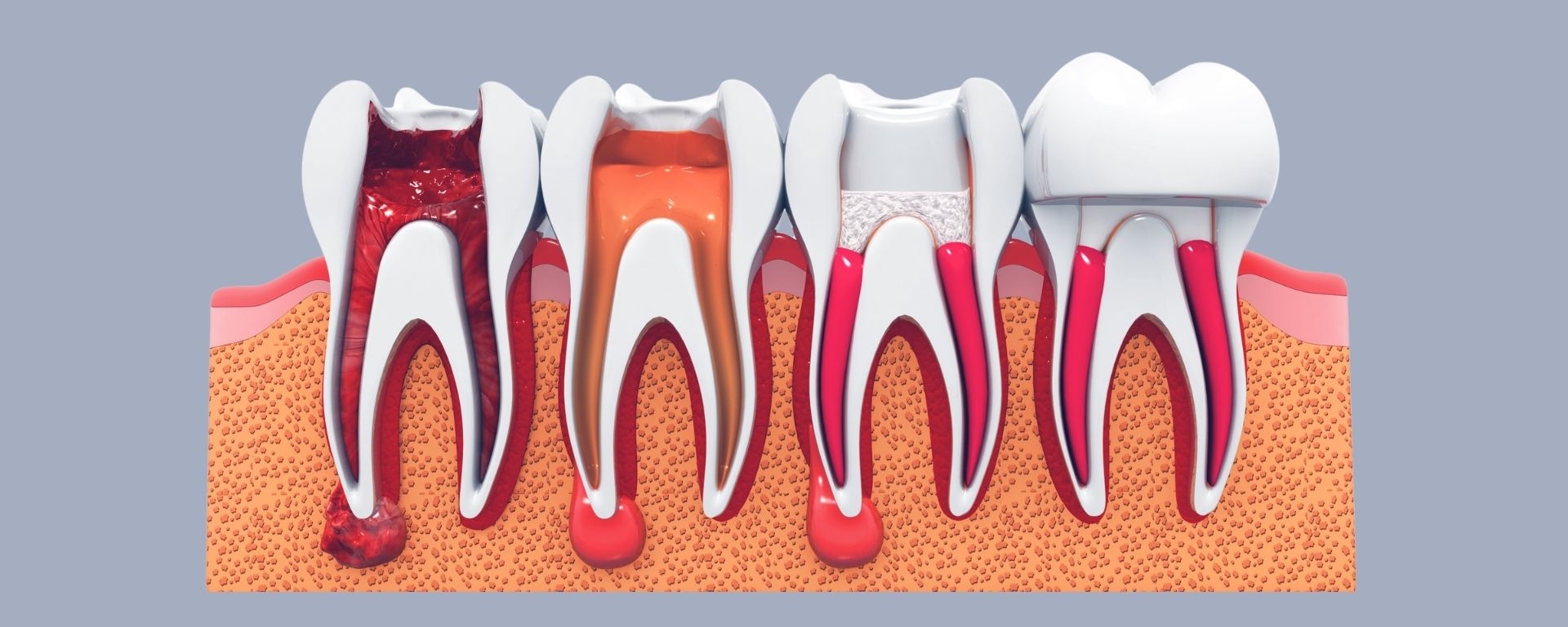
Root canal treatment is a procedure that involves removing infected or damaged pulp tissue from inside the tooth and filling the root canals. The primary goal of the treatment is to preserve the natural tooth in the mouth rather than extracting it. One of the most frequently asked questions by patients is how long a tooth treated with root canal therapy will last. However, there is no single answer to this question, as the lifespan of the tooth can vary from person to person depending on many different factors.

When performed properly, root canal treatment can help a tooth remain healthy and functional in the mouth for many years. Some clinical studies have reported that root canal treated teeth can continue to function for ten years or longer. However, this period may vary considerably depending on the quality of the treatment, the location of the tooth, the type of final restoration, and the patient's oral hygiene habits. The steps taken to protect the tooth after treatment may play just as important a role in its longevity as the treatment itself.
What Factors Determine the Lifespan of a Root Canal Treated Tooth?
One of the most important factors affecting the long-term durability of a root canal treated tooth is the technical quality of the procedure. Thorough cleaning, shaping, and sealing of the root canals are critical to the success of the treatment. In multi-rooted teeth, the complex anatomy of the root canal system can make treatment more challenging. A canal that is missed or inadequately cleaned may increase the risk of reinfection over time. In addition, the quality of the materials used during treatment and the techniques employed may also influence the outcome. The condition of the tooth before treatment is another determining factor. A tooth that has lost a significant amount of its structure due to extensive decay may be less durable than a tooth treated at an earlier stage.
The type of restoration placed on the tooth after treatment is another important factor that directly affects its lifespan. Because the pulp tissue has been removed, root canal treated teeth may become more susceptible to fracture over time. For this reason, dentists often recommend a dental crown, particularly for posterior teeth. Clinical evidence suggests that teeth restored with crowns may have a lower risk of fracture than those restored with fillings alone. However, the decision to place a crown should always be made by the treating dentist. Factors such as the location of the tooth, the amount of remaining healthy tooth structure, and the patient's chewing habits all influence this decision. It is generally accepted that completing the final restoration as soon as possible after root canal treatment may reduce the risk of bacterial contamination and tooth fracture.
What Does Pain in a Root Canal Treated Tooth Mean?
It is generally considered normal to experience mild sensitivity or discomfort when biting during the first few days after root canal treatment. These symptoms are usually associated with the healing process of the tissues surrounding the root tip and tend to subside gradually within a few days to a few weeks in most cases. However, pain, swelling, or significant tenderness when biting that develops weeks, months, or even years after treatment may indicate a different underlying condition. These symptoms may result from a recurrent infection at the root tip, the presence of an additional canal that was not detected during the initial treatment, loss of the seal of the root canal filling over time, or the development of a new crack in the tooth. Although pain does not necessarily indicate treatment failure, it is recommended to consult a dentist for a proper evaluation of these symptoms.
The dentist will determine the source of the pain through a clinical examination and radiographic imaging. If an infection is detected around the root tip, root canal retreatment may be recommended, or alternative approaches such as apical surgery (apicoectomy) may be considered. In some cases, the source of the pain may not be the root canal treated tooth itself but a neighboring tooth or the surrounding tissues. Therefore, rather than waiting for the pain to resolve on its own, seeking professional evaluation at an early stage may help prevent potential complications from progressing. Although the nerve tissue inside a root canal treated tooth has been removed, the periodontal ligament and surrounding bone tissues can still transmit sensations of discomfort. For this reason, it is not correct to assume that a root canal treated tooth can never become painful.
How Does Oral Care After Root Canal Treatment Affect Tooth Durability?
Maintaining proper oral hygiene after root canal treatment is essential for ensuring the long-term survival of the treated tooth. Although the pulp tissue inside the tooth has been removed, the risk of tooth decay does not disappear. Over time, the junction between the tooth structure and the crown or filling may become susceptible to microleakage, allowing decay to develop and compromise the structural integrity of the tooth. Brushing the teeth effectively at least twice a day, using dental floss or interdental brushes, and regularly using oral care products recommended by the dentist may help reduce the risk of decay. Since a root canal treated tooth no longer contains nerve tissue, new decay may not cause pain and may only be detected at an advanced stage. This makes regular dental check-ups even more important.
In addition to oral hygiene, dietary habits may also affect the durability of the treated tooth. Frequent consumption of sugary and acidic foods can disrupt the oral environment and increase the risk of tooth decay in both root canal treated and healthy teeth. Biting or cracking very hard foods with a root canal treated tooth may also increase the risk of fracture, particularly in teeth that have not been restored with a crown. Individuals who grind or clench their teeth may place greater mechanical stress on root canal treated teeth, in which case the dentist may recommend wearing a night guard. Professional dental cleanings and regular dental examinations can help identify gum disease, new decay, or problems with existing restorations at an early stage, contributing to the long-term preservation of the treated tooth.