What Is Root Canal Treatment?
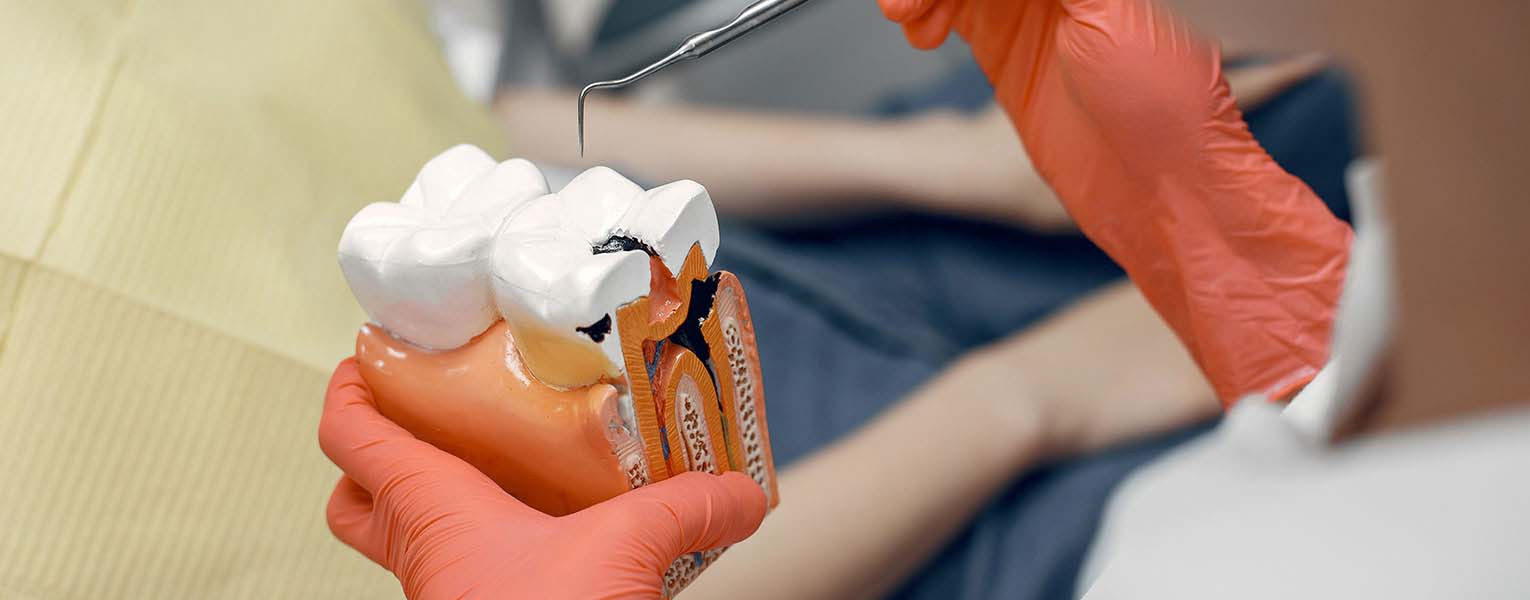
Root canal treatment is a procedure performed when the nerve and blood vessel tissue (pulp) inside a tooth becomes damaged or infected for various reasons. Deep cavities, cracks and fractures in teeth, improper treatment procedures, or trauma may cause the nerve and blood vessel tissue within the root canals to lose its vitality. In such cases, root canal treatment involves removing the infected tissues from the canals, disinfecting the root canal system, and filling the canals up to the root tips with special root canal filling materials.
The primary purpose of root canal treatment is to preserve an infected or damaged tooth in the mouth and eliminate the need for extraction. Keeping the natural tooth in the mouth whenever possible is extremely important for both chewing function and the protection of neighboring teeth. When a tooth is extracted, the resulting gap may eventually cause adjacent teeth to shift, opposing teeth to overerupt, and changes to occur in the jaw structure. Therefore, root canal treatment is one of the preferred approaches when there is a possibility of saving the tooth.
When Is Root Canal Treatment Necessary?
Root canal treatment is considered when the nerve and blood vessel tissue of a tooth has been irreversibly damaged or infected. The main situations include:
-
Cavities that have progressed to the nerve of the tooth,
-
Fractures caused by trauma that involve the dental nerve,
-
Loss of tooth vitality due to excessive forces applied during orthodontic treatment,
-
Advanced gum diseases,
-
Elimination of sensitivity caused by severe tooth wear,
-
Pulp damage caused by fillings or dental prostheses that are too high.
The common factor in all these situations is that the internal tissue of the tooth can no longer function properly. Once the pulp tissue has been seriously damaged or infected, its ability to repair itself is extremely limited. If infected pulp is left untreated, the infection may spread to the root tip and surrounding bone tissue. This may result in abscess formation, bone loss, and eventually tooth loss.
In some cases, the nerve tissue of a tooth may gradually lose its vitality without the patient experiencing noticeable pain. Therefore, clinical and radiographic evaluations performed during regular dental check-ups play a critical role in detecting problems that have not yet produced symptoms.
How Can You Tell If a Tooth Needs Root Canal Treatment?
There are various symptoms that may indicate the need for root canal treatment. The presence of one or more of these symptoms may suggest a problem with the nerve tissue of the tooth:
-
Severe sensitivity to hot and cold temperatures that continues for a long time after the stimulus is removed,
-
Spontaneous pain occurring without any stimulus, particularly at night,
-
Pain or discomfort in the tooth while eating or chewing,
-
Noticeable discoloration (darkening) of the tooth due to the death of nerve tissue,
-
Swelling of the face or gums caused by abscess formation,
-
Recurrent pimple-like bumps (fistulas) on the gums,
-
In some cases, the need for treatment may be identified during dental and radiographic examinations without any symptoms being present.
The last point is particularly noteworthy: pain or visible symptoms may not always be present. The nerve tissue may gradually die, and the infection may silently progress around the root tip. This condition may only be detected as a radiolucent (dark) area on an X-ray image. This once again demonstrates the importance of regular dental examinations, even for individuals who have no complaints.
How Is Root Canal Treatment Performed? What Are the Stages?
Root canal treatment is a procedure performed systematically according to a specific protocol. The general treatment process can be summarized as follows:
-
First, local anesthesia is administered to the tooth and surrounding tissues to prevent the patient from experiencing pain during treatment.
-
Decayed tissue is removed, or any fractured portion is eliminated to gain access to the tooth's root canals.
-
The nerve and blood vessel tissues within the root canals are removed using specialized instruments.
-
The root canal is shaped and enlarged up to the root tip and irrigated with disinfectant solutions.
-
Depending on the condition of the tooth, treatment may be completed in a single session or may require several sessions.
-
When multiple sessions are necessary, medications intended to support healing are placed inside the root canal and around the root tip between appointments.
-
In the final stage, the root canal is sealed up to the root tip using special filling materials.
The root canal anatomy of each tooth may differ. While front teeth generally have one canal, posterior teeth (premolars and molars) may have two, three, or more canals. Some teeth may also contain additional canals or canal branches that differ from standard anatomy. Therefore, X-ray images taken before treatment and dental tomography when necessary are extremely important for accurately evaluating root canal anatomy.
Pain After Root Canal Treatment
It is normal to experience mild pain and sensitivity in the tooth after root canal treatment, particularly during chewing. This sensitivity may be associated with a temporary inflammatory response in the tissues around the root tip during treatment and generally decreases gradually within a few days.
For mild discomfort that may last several days following treatment, a mild anti-inflammatory medication recommended by the dentist may be used. However, if the pain becomes more severe, swelling develops, or the pain continues for more than a week, the dentist should be consulted. Although rare, such symptoms may indicate a condition requiring additional intervention.
In some cases, mild tooth sensitivity may continue for several weeks after root canal treatment. Particularly in teeth with long-standing infections before treatment, healing of the tissues around the root tip may take longer. The dentist monitors this process through follow-up appointments and may take additional measures when necessary.
What Should You Pay Attention to During Root Canal Treatment?
When root canal treatment requires more than one session, following certain precautions between appointments is important for treatment success. Eating and drinking should be avoided until the anesthesia has worn off. While the mouth is numb, injuries such as accidental biting or burns may occur without being noticed.
Throughout treatment, hard foods such as nuts and sticky foods such as chewing gum should be avoided on the side of the treated tooth. Since teeth undergoing treatment may be structurally weakened, hard foods can cause tooth fractures. Tooth fractures are among the most common complications occurring between treatment sessions, and some types of fractures may make it impossible to save the tooth.
Care should be taken to ensure that the temporary filling placed in the tooth between treatment sessions does not fall out. The temporary filling protects the root canal from bacteria in the oral environment. If the filling falls out or breaks, the canal may become contaminated again, negatively affecting the treatment process. If the temporary filling falls out, the dentist should be consulted as soon as possible.
Other important precautions during treatment include avoiding excessive checking or touching of the tooth, not repeatedly examining it with the tongue, and avoiding biting with the affected area.
Is Root Canal Treatment a Painful Procedure?
One of the most common concerns about root canal treatment is whether the procedure is painful. Thanks to local anesthesia techniques used today, patients do not experience pain during root canal treatment. Anesthesia administered to the tooth and surrounding tissues before the procedure provides a comfortable treatment experience.
The widespread belief that root canal treatment is painful largely originates from treatment conditions in the past. Today, developments in both anesthetic materials and the instruments used during treatment mean that the experience of root canal treatment is not significantly different from that of a routine filling procedure.
In rare cases, anesthesia may not be fully effective in teeth with severe infections. In such situations, the dentist may apply additional anesthesia techniques or wait until the infection is brought under control before continuing treatment. Informing the dentist of any discomfort experienced during treatment is important so that additional precautions can be taken.
Does a Tooth Need to Be Extracted If It Becomes Infected?
The presence of inflammation or an abscess in a tooth does not necessarily mean that the tooth must be extracted. Thanks to advanced materials and techniques used in root canal treatment today, the majority of abscesses around the root tip can be treated successfully. Therefore, in many cases, the tooth can be preserved without extraction.
Treatment success may depend on various factors, including the extent of infection, the structural condition of the tooth, root canal anatomy, and the patient's general health. Even when a lesion around the root tip is large, healing may be achieved with an appropriate treatment protocol. This process may take several months to a year and is monitored with follow-up X-rays.
However, extraction may be unavoidable in advanced cases where the structural integrity of the tooth is severely compromised, a root fracture is present, or the tooth does not respond to treatment. The dentist makes this decision by evaluating clinical and radiographic findings and recommending the most appropriate treatment option for the patient. As a general principle, root canal treatment is prioritized whenever there is a possibility of preserving the tooth.
Is Antibiotic Use Necessary for Dental Infections?
Under normal circumstances, antibiotics are not required during root canal treatment. Root canal treatment itself is designed to eliminate the source of infection by mechanically cleaning and disinfecting the root canal system. Once the infected tissue causing the infection has been removed from the canals, the body can largely manage the healing process around the root tip on its own.
However, in cases of severe infection, particularly when there is noticeable facial swelling, fever, or signs that the infection is spreading to surrounding tissues, the dentist may prescribe antibiotics to support treatment. Preventive antibiotic use may also be necessary for patients with certain systemic diseases or suppressed immune systems. This decision should always be made by the treating dentist, taking the patient's general health into consideration.
It is important to understand that antibiotics alone do not treat a dental infection. Antibiotics may help control the spread of infection, but they do not eliminate its source. Root canal treatment or other dental interventions are necessary to eliminate the underlying source of infection.
Are Root Canal Filling and Dental Filling Different Procedures?
Although these two concepts are frequently confused, they are actually different procedures and should be regarded as complementary stages. Root canal filling is the process of filling the root canal with special biocompatible materials up to the root tip after the canal has been cleaned and shaped. This procedure concerns the internal structure of the tooth, namely the root canal system.
A dental filling, on the other hand, involves restoring the crown portion of the tooth visible in the mouth, particularly the chewing surface. After root canal treatment is completed, the tooth must be functionally and aesthetically restored using a composite filling, inlay, onlay, or crown, depending on the extent of damage to the upper part of the tooth.
Timely and appropriate restoration of the upper portion of the tooth after root canal treatment is critically important for long-term treatment success. In a tooth where root canal treatment has been successfully completed but the final restoration has not been performed or has been delayed, there is a risk that bacteria from the oral environment may recontaminate the root canal.
How Long Does a Root Canal-Treated Tooth Last?
The lifespan of a tooth that has undergone root canal treatment depends on many factors, and although it is difficult to specify an exact duration, properly treated and appropriately restored teeth can remain functional in the mouth for many years. The main factors affecting treatment success include complete cleaning and filling of the root canals, the quality of the final restoration, and the patient's oral hygiene habits.
There is a common misconception that teeth that have undergone root canal treatment cannot develop cavities. Although the nerve tissue has been removed, the outer surface of the tooth remains susceptible to decay. New decay developing around the margins of a treated tooth may jeopardize the entire treatment. Therefore, maintaining regular oral hygiene and attending follow-up appointments after root canal treatment are extremely important.
What Is Root Canal Retreatment?
Root canal treatments performed correctly under sterile conditions have a success rate of 90–95%. Root canal treatment may be considered unsuccessful when nerve tissue remains uncleaned during treatment, microorganisms enter the canals because the root canal filling or final restoration is inadequate, resistant bacteria survive during treatment, or perforations or fractures occur during the procedure. Signs of unsuccessful root canal treatment may include pain in the teeth while eating, spontaneous pain, swelling, and redness around the root tip. An unsuccessful root canal treatment can be repeated through retreatment. If retreatment is insufficient, an apical resection procedure may be performed to surgically access the root tip, remove the infection, and seal the area. If both root canal retreatment and surgical intervention are unsuccessful, tooth extraction should be considered.
Article Written by: Dr. Gülşad Güngör
The content of this page is for informational purposes only.
You should always consult your dentist for diagnosis and treatment.